

Project summary
The project successfully addressed the traffic isolation of the region from the rest of the Republic of Croatia and the European Union by modernizing and reconstructing the existing airport infrastructure. As a result, regional connectivity was significantly improved, enabling more efficient integration into national and EU transport networks and enhancing accessibility for both passengers and freight.
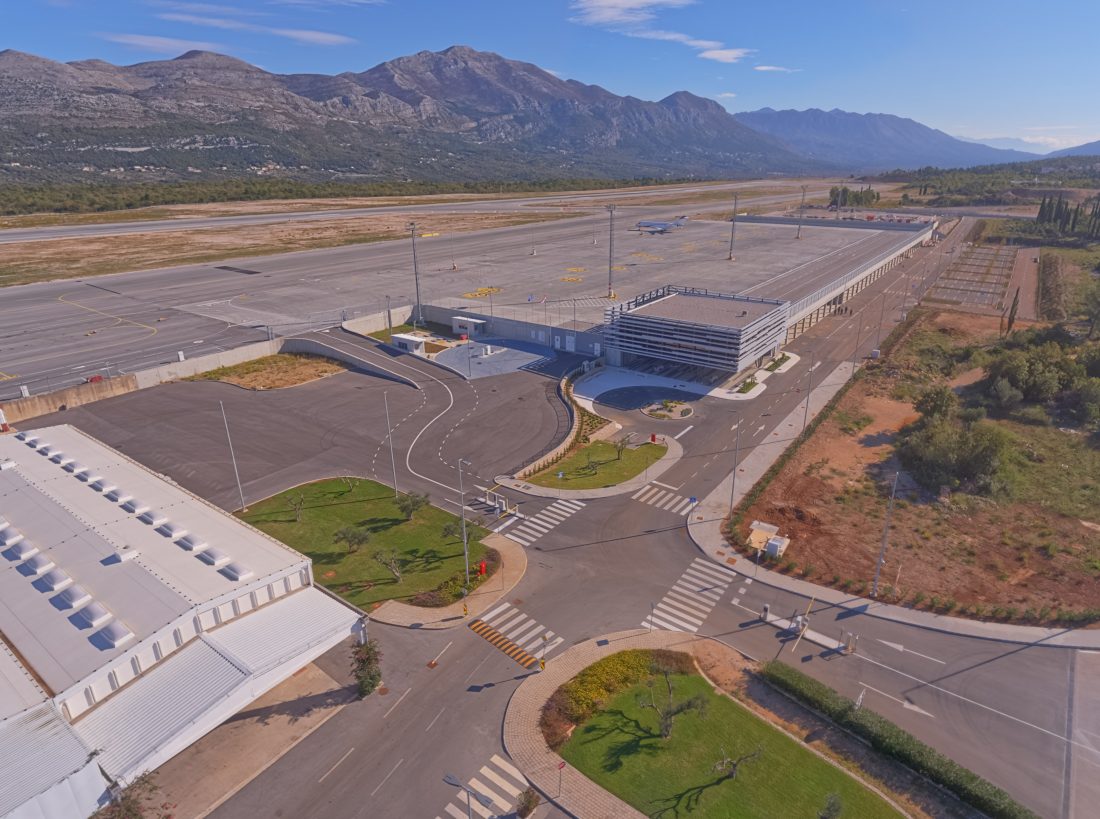
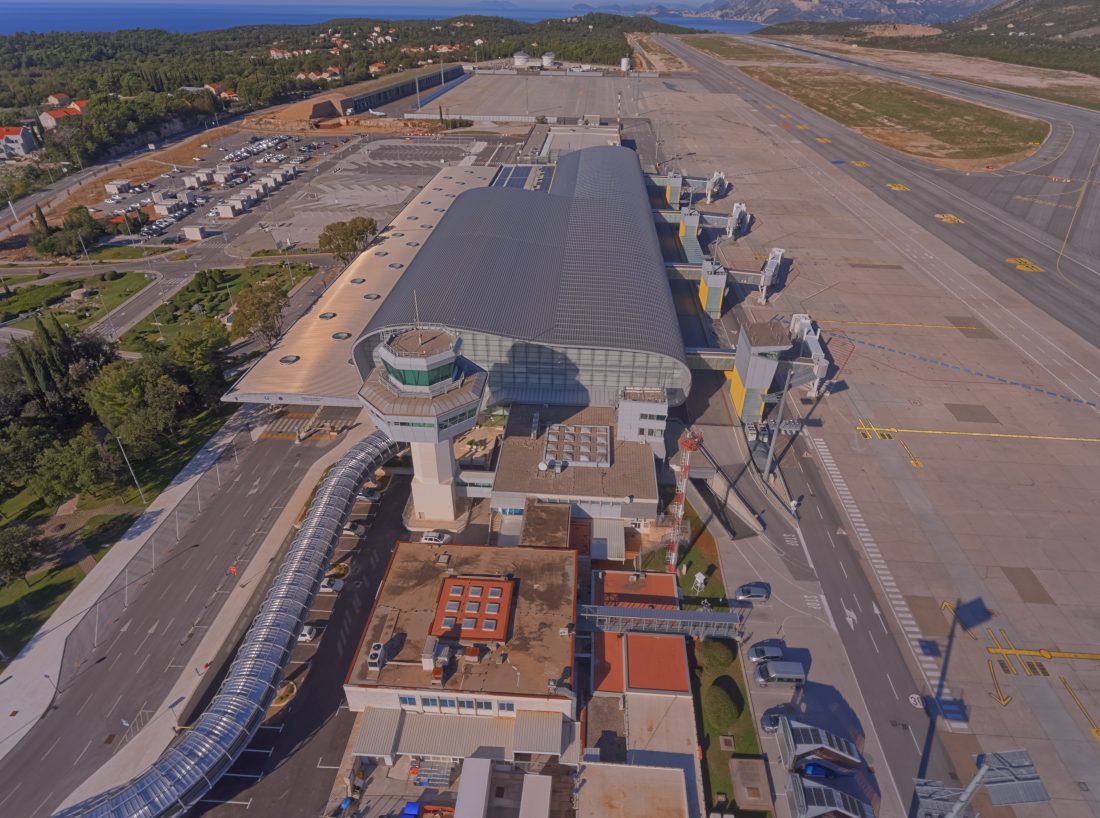
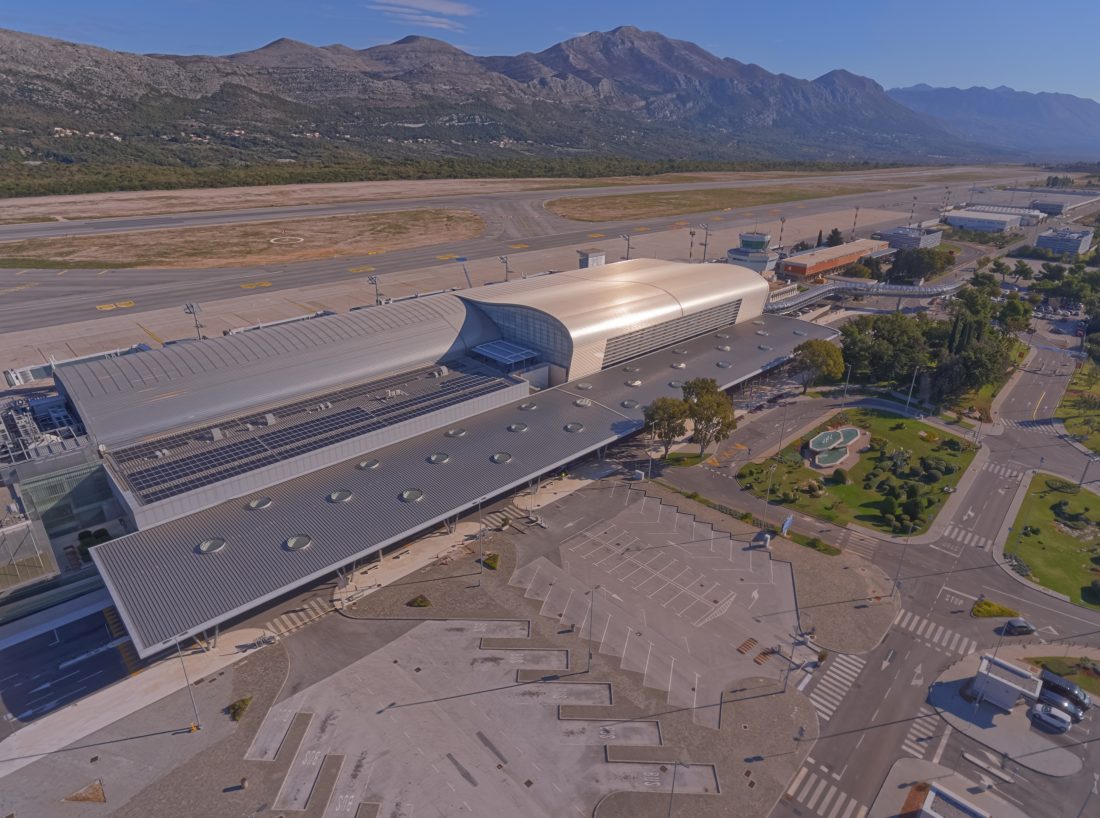
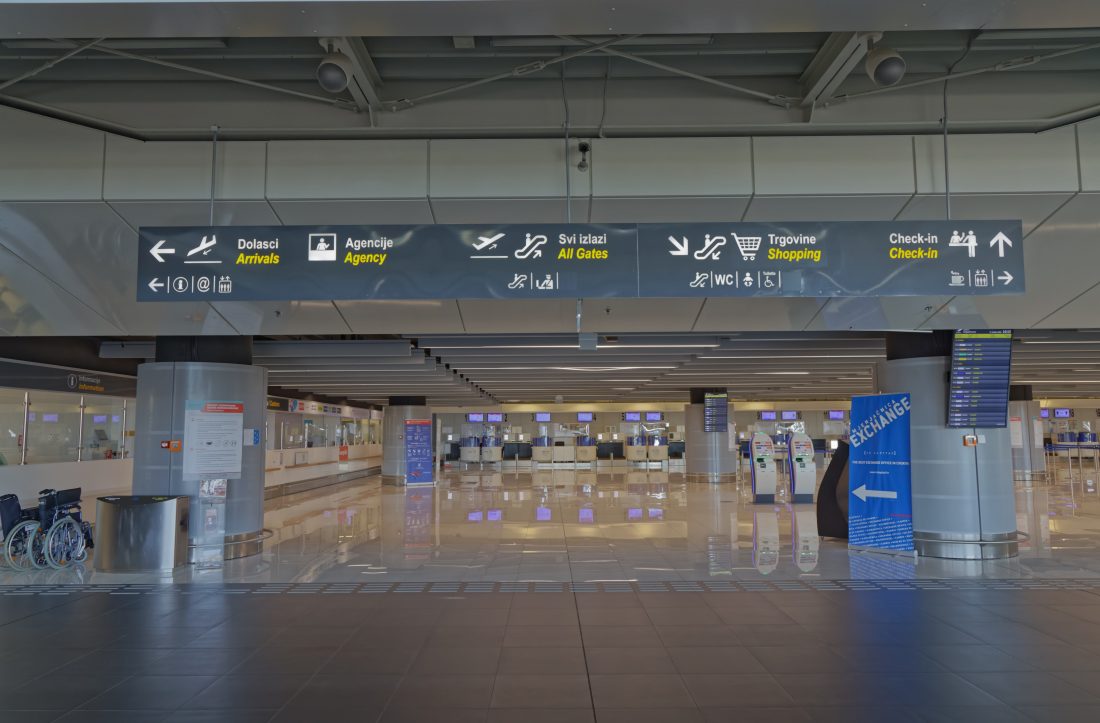
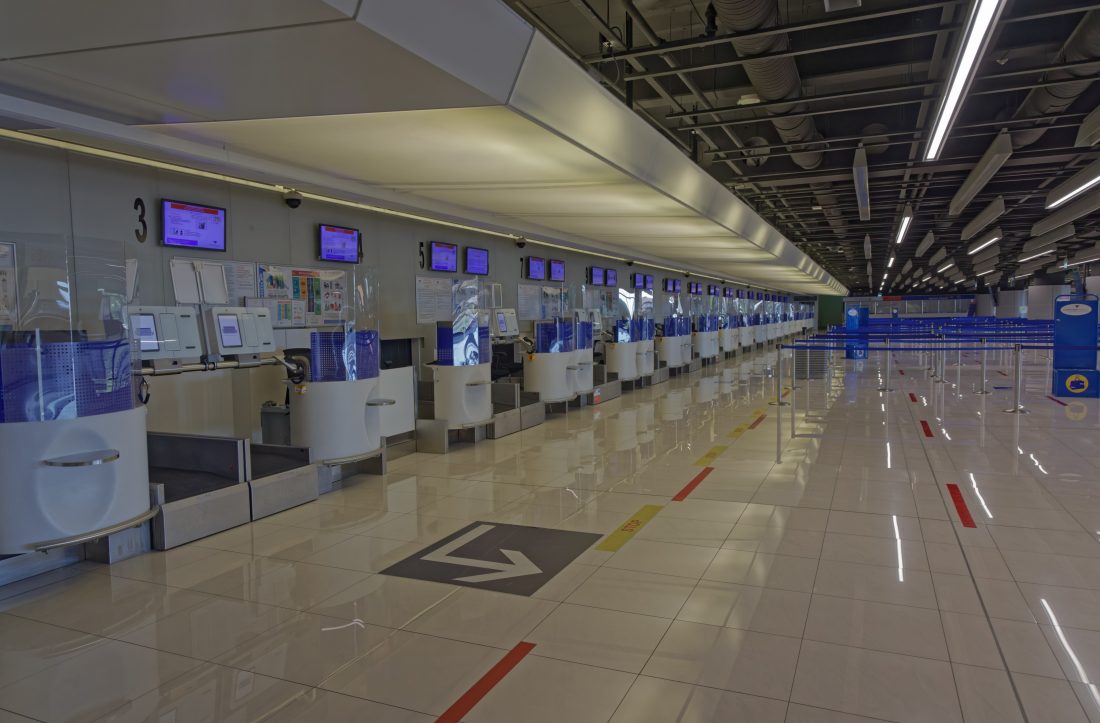
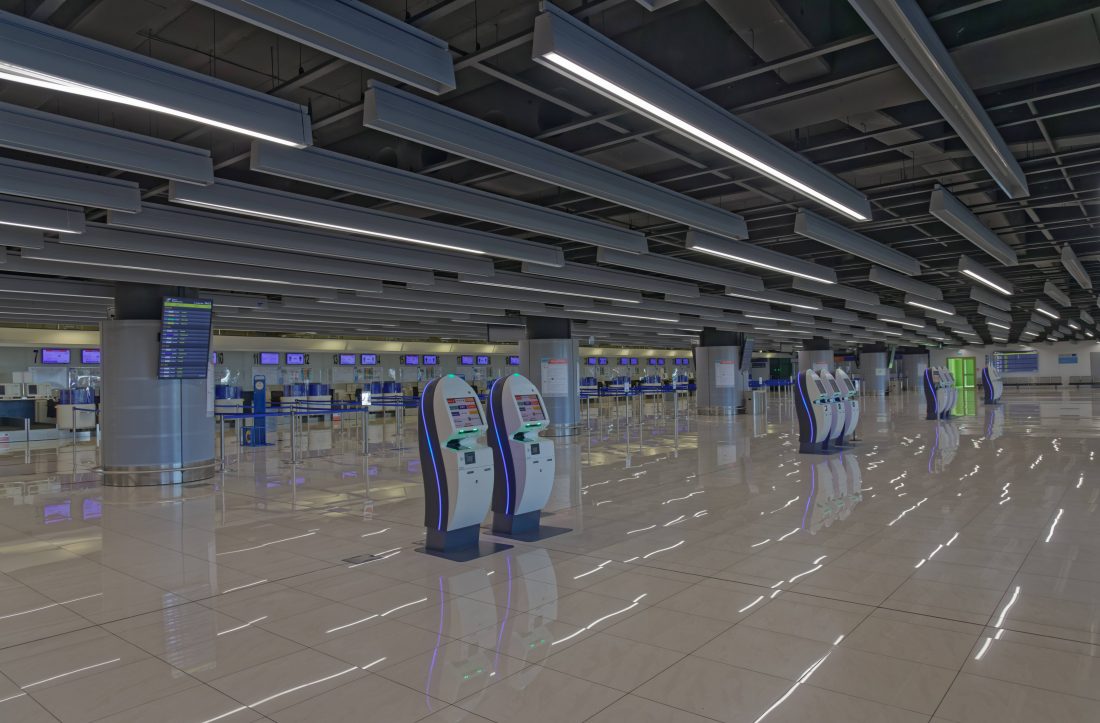
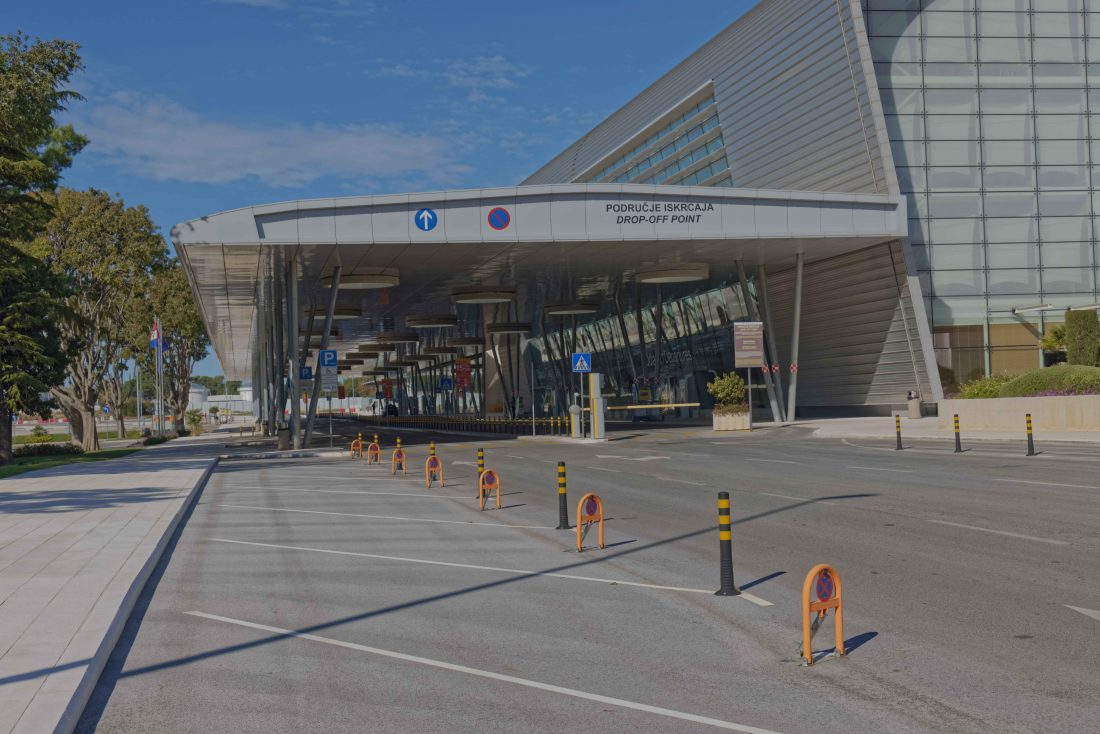
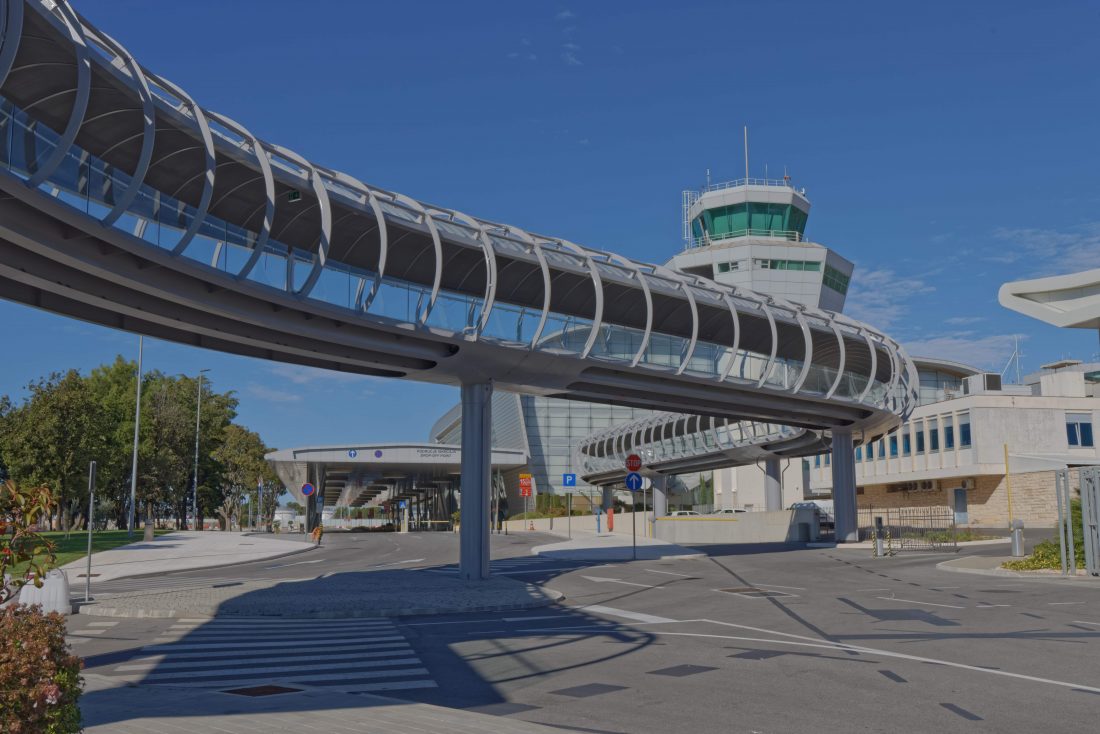
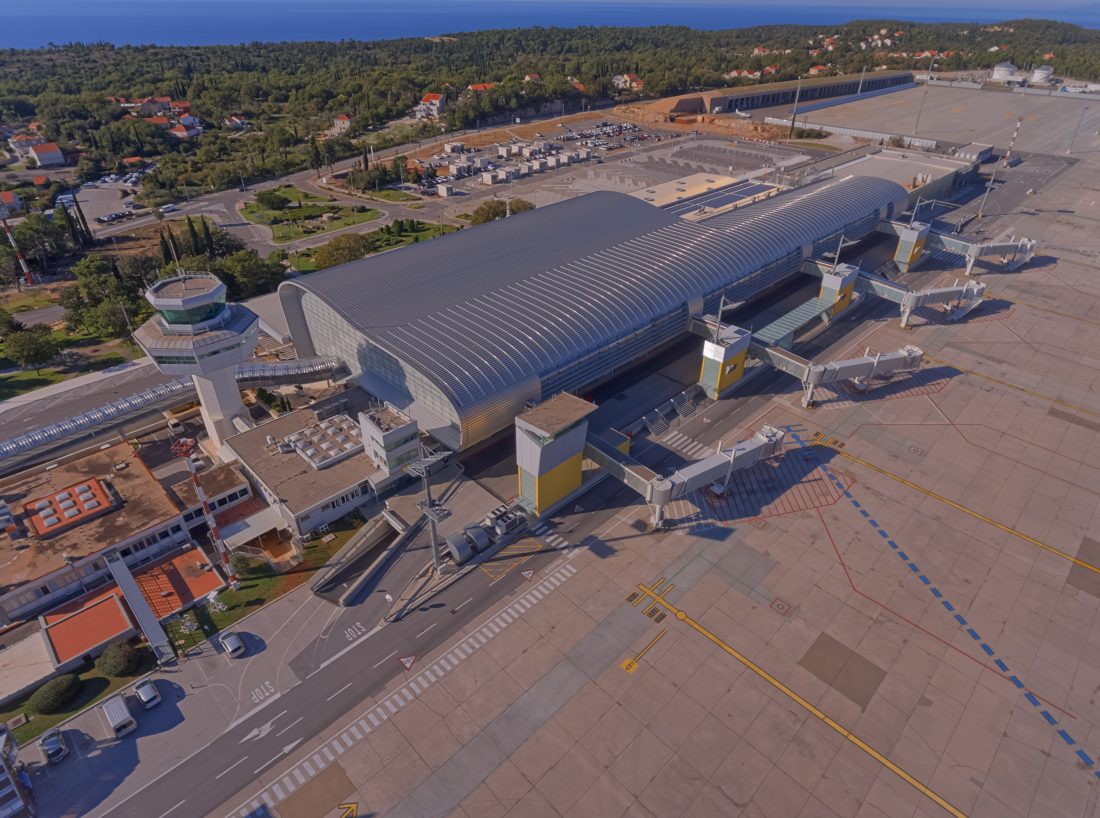
The project resulted in the successful reconstruction and upgrade of Dubrovnik Airport, significantly enhancing its capacity for both domestic and international air traffic. A new 27,000 m² terminal building was constructed, and the existing terminal was renovated and fully integrated into a unified facility. These improvements accelerated passenger processing, reduced waiting times, and improved the overall travel experience.
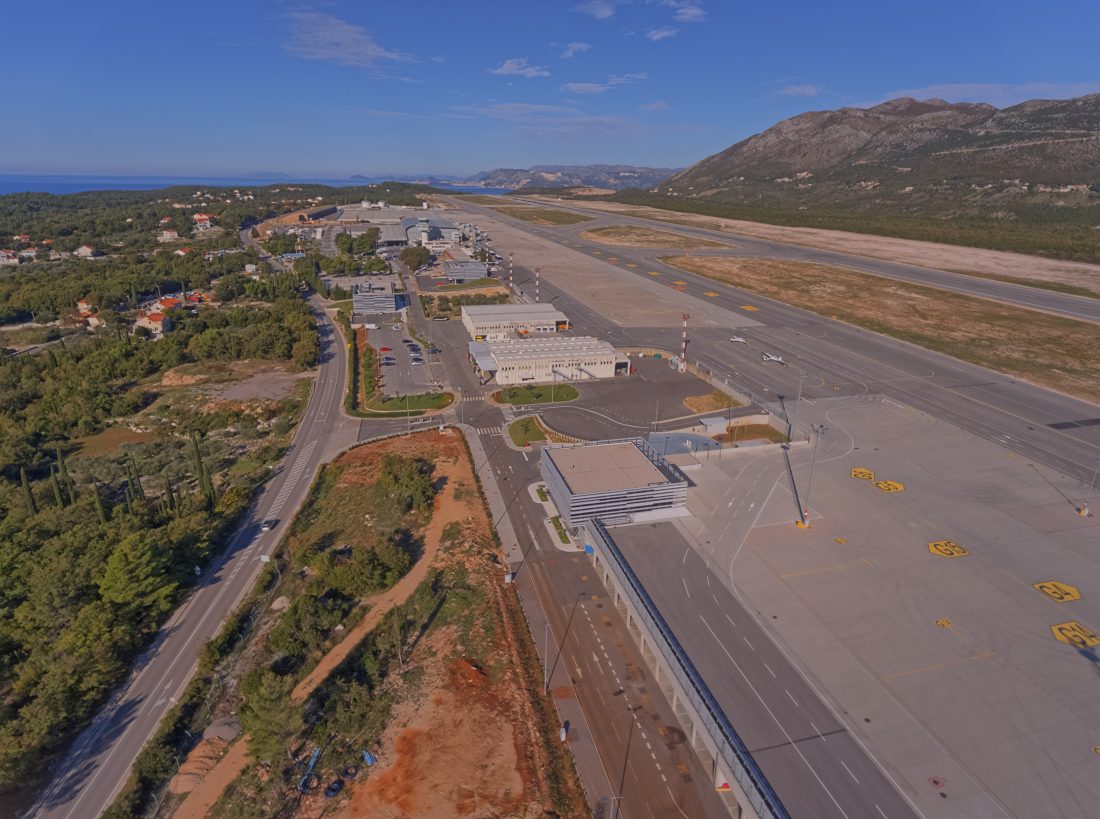
Key infrastructure upgrades included the extension and renovation of the runway, taxiways, and connectors, enabling the airport to accommodate a higher volume of aircraft more efficiently. The project also introduced an automated baggage handling system, new passenger boarding bridges, and improved firefighting, rescue, and refueling facilities. In addition, the reconstruction of substations and the internal electrical grid, along with an upgraded rainwater drainage system, contributed to operational safety and environmental sustainability.
Overall, the project strengthened the international and domestic accessibility of Dubrovnik and the Dubrovnik-Neretva County, while ensuring higher standards of protection, safety, and comfort for all airport users.
The project comprised:
- Reconstruction of runway, taxiways and aprons,
- Reconstruction and adaptation of Terminal Building,
- Construction of waste management facilities and improvement of nature protection measures,
- Construction of sewage system and relocation of aircraft refueling facilities,
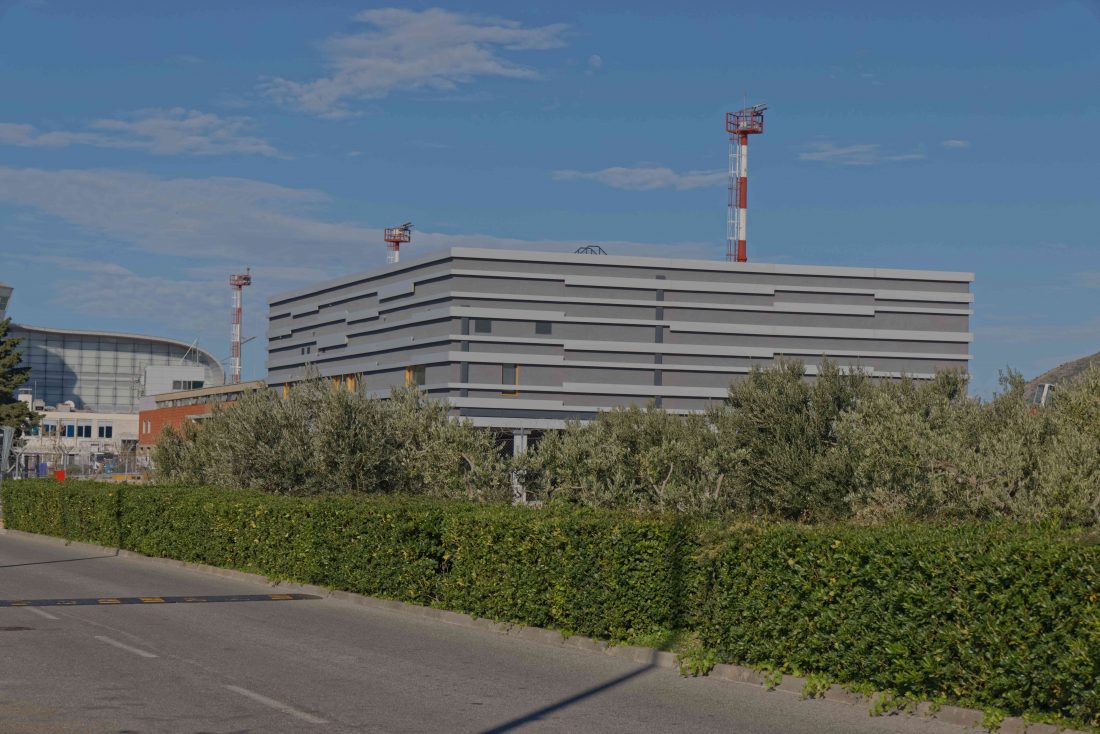
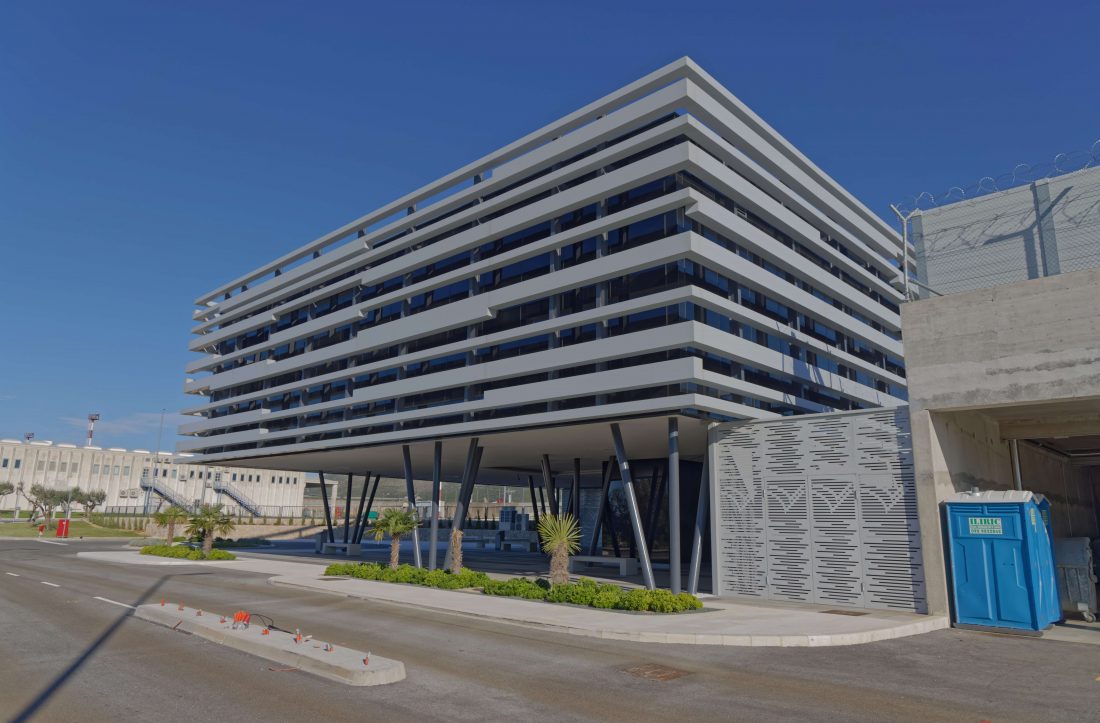
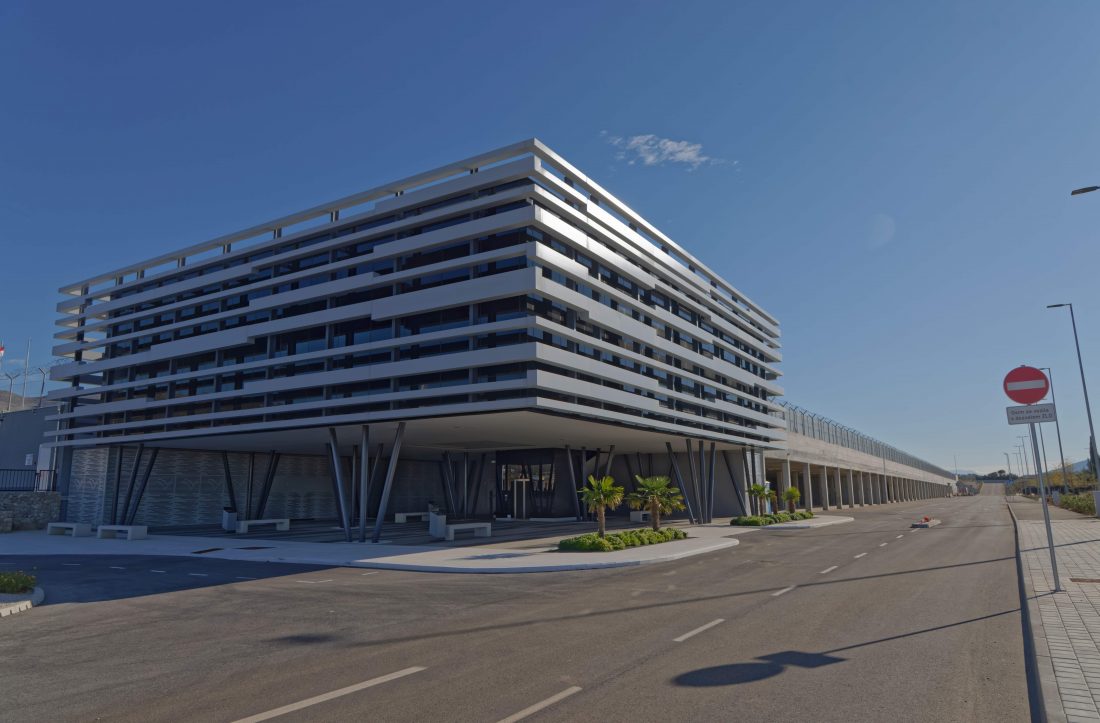
- Construction of administrative and other objects.
The project was divided in two phases (two Operational programmes OPT and OPCC). Phase two of the project was supported by the Operational Programme Competitiveness and Cohesion 2014 – 2020, and included:
- Construction of Terminal building C, Stage 1, (construction of Terminal building part “C” and finalization of tunnel, dilatation T),
- Reconstruction and final integration of Terminal building ABC,
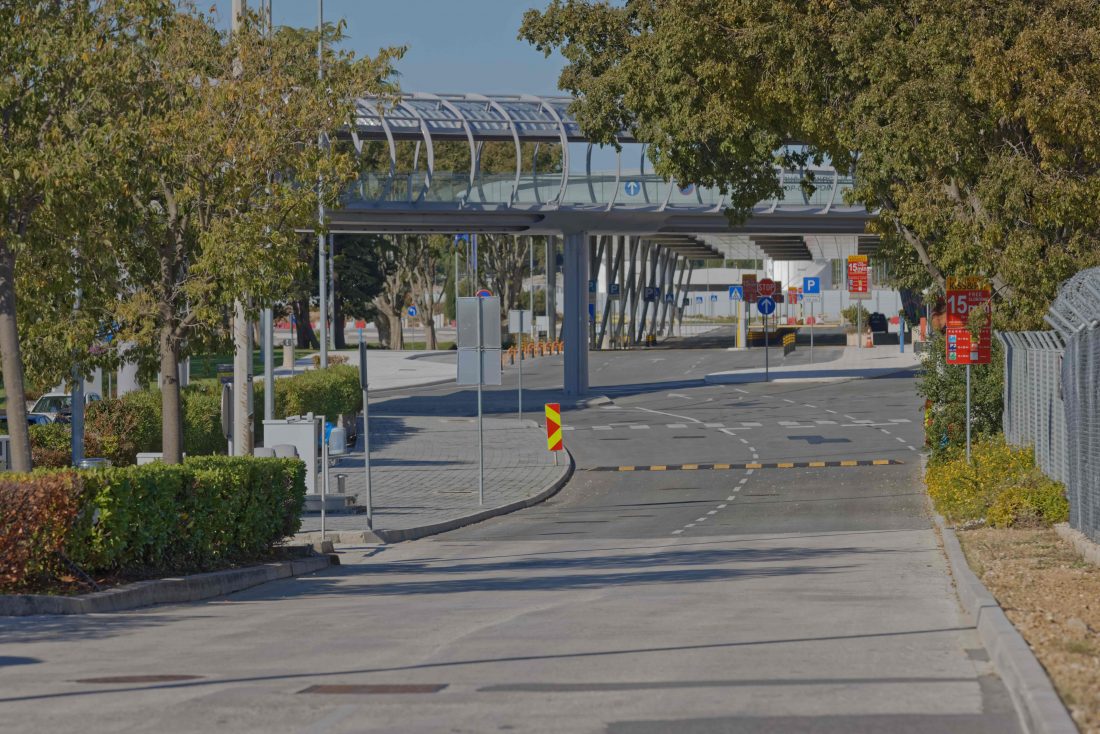
- Reconstruction and construction of infrastructure (ground and air) and superstructure,
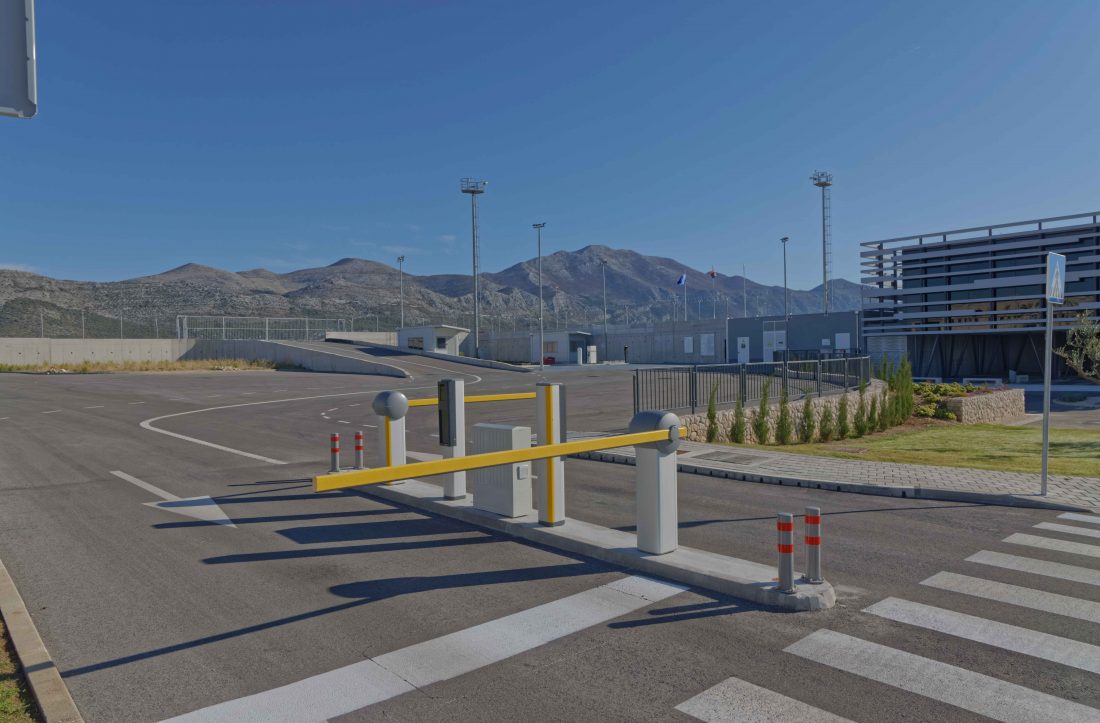
- Construction of a multistorey car park,
- Construction site supervision,
- Purchase and installation of an automated baggage handling system,
- Purchase of passenger boarding bridges,
- Purchase of firefighting and rescue service vehicles,
- Reconstruction of the TS2 substation and construction of the TS3 substation with a reconstruction of the internal electrical grid,
- Project management and administration (implementing the project portfolio).
The construction works included investments in all fixed infrastructure necessary for the functioning of the airport, the construction / reconstruction of which have enabled the modernization of the airport necessary to fulfill the goal of the project.
Project results
The project provided a resolution to the traffic isolation of the region from the rest of the Republic of Croatia and the EU, through modernization and reconstruction of the existing airport infrastructure.
The reconstruction and upgrade of Dubrovnik Airport endeavored to resolve the following problems:
- inaccessibility, traffic isolation of the region and preparation for the Schengen rules;
- insufficient capacity of Dubrovnik airport to accommodate existing and future traffic;
- the existing infrastructure does not meet safety, operational and technical standards and is in need of reconstruction;
- underdevelopment of the Dubrovnik-Neretva County.
The most notable results of the project are the following:
- decreasing unemployment, fostering investment activities in the region,
- improving connectivity (and thus social cohesion) with the rest of Croatia and the EU. In this way, the otherwise harmful effects of geopolitical isolation will be suppressed,
- improving quality of life in the region, improving transport services, uninterrupted mobility of people and goods.
Strategic project objectives are the following: - ensuring sufficient airport capacity for domestic and international traffic,
- infrastructure modernization,
- development of communal and social infrastructure,
- shortening travel time for the overall economic benefit of the resident population and visitors,
- improving protection, safety and reliability,
- higher level of passenger comfort,
- curtailing the diversion of traffic to other airports due to lack of capacity at Dubrovnik Airport,
- lowering social costs by reducing environmental impacts attributable to airport operations,
- greater efficiency of airport operator employees.